Online scams, how to manage them
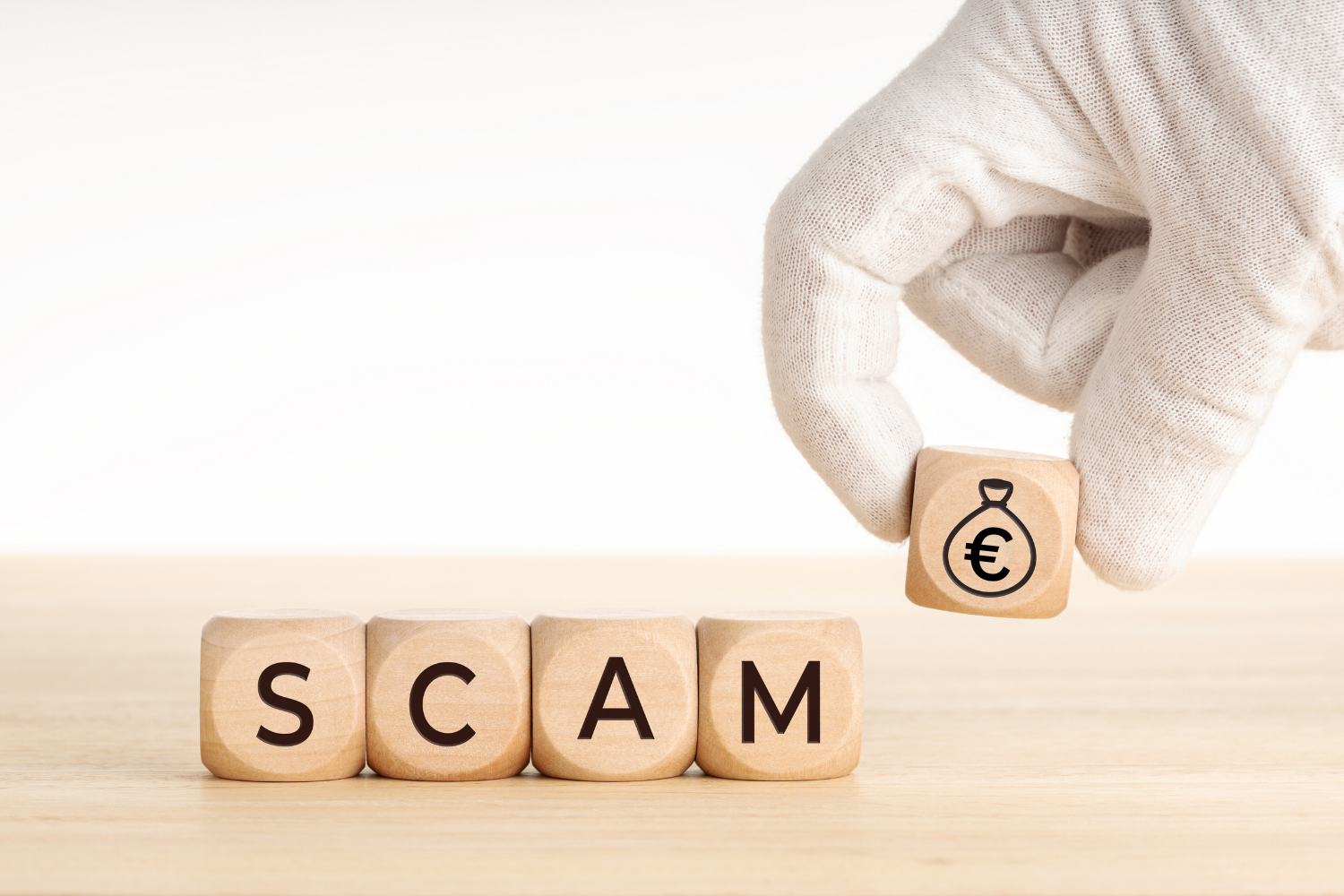
In the fight against online scams, staying informed about the various forms of fraud is crucial. Being aware of common scams equips you to recognize and handle them effectively. Here are some of the most prevalent types of scams you may encounter:
Tax return/benefits
Fraudulent emails claiming to offer tax returns or various benefits, such as Power Pass or Market Pass, are increasingly common. These emails may appear legitimate, often including official logos from Gov.gr. However, it is essential to scrutinize the sender’s email address carefully. Do not click on any links or provide personal information such as bank account details, usernames, or passwords. Never send money upfront with the promise of receiving benefits or tax returns later. Fraudsters might also contact you via phone or SMS, posing as accountants or agents from tax authorities or insurance companies. They may request personal account information or ask for money to facilitate the processing of benefits or tax returns. Always verify the legitimacy of such communications through official channels before responding.
Post office/courier messages
You may receive an email or SMS claiming that a package has been lost, delayed, or not yet received. These messages often instruct you to follow a link or send money to cover various postal expenses for holding the package. Do not click any links or comply with such instructions. If you are expecting a package, contact the Post Office or courier company directly to verify the status of your delivery. Always use official channels to ensure the communication is legitimate.
Online shopping
Victims can be buyers or sellers of items or services advertised online, such as pets or cars, on platforms like eBay or Alibaba. Scammers pose as legitimate sellers with fake websites or ads, offering items at low prices and asking for payment via money order, pre-loaded money card, or money transfer. Once the payment is made, the victim never receives the merchandise or service. Scammers also pose as buyers, sending more than the selling price and requesting the seller to wire back the difference via money transfer.
Relationship scams
Victims are often led to believe they have developed a personal relationship with someone they met online, typically through social media, an online forum, or a dating website. Becoming emotionally invested, victims are then asked by the fraudster for money for various reasons, such as visiting the victim, handling an emergency, buying gifts, or even obtaining bank account or card information.
Family member in distress
The victim is contacted by someone posing as a distressed grandchild or an authoritative figure like a doctor, police officer, or lawyer. The fraudster fabricates an urgent situation— like bail, medical bills, or emergency travel expenses — requiring an immediate money transfer. Despite no real emergency, the victim loses money sent to help their supposed loved one.
Phishing
Communication impersonating a bank, intended to mislead the victim into providing personal information or passwords. A Phish is a fraudulent attempt, usually made through email (although can also be made via phone or text), to steal your personal information or propagate malicious code or software onto your computer.
Rental property scam
The victim sends money as a deposit for a rental property but never gains access to it. Alternatively, the victim could be a property owner who receives a check from a renter, is asked to send back a portion via money transfer, and later finds out the check bounced.
It is important to feel and stay safe when you are browsing online.
Don’t miss the signs and stay protected!
Be informed. Be aware. Protect yourself from fraud.
Did you find it interesting?
You can share it